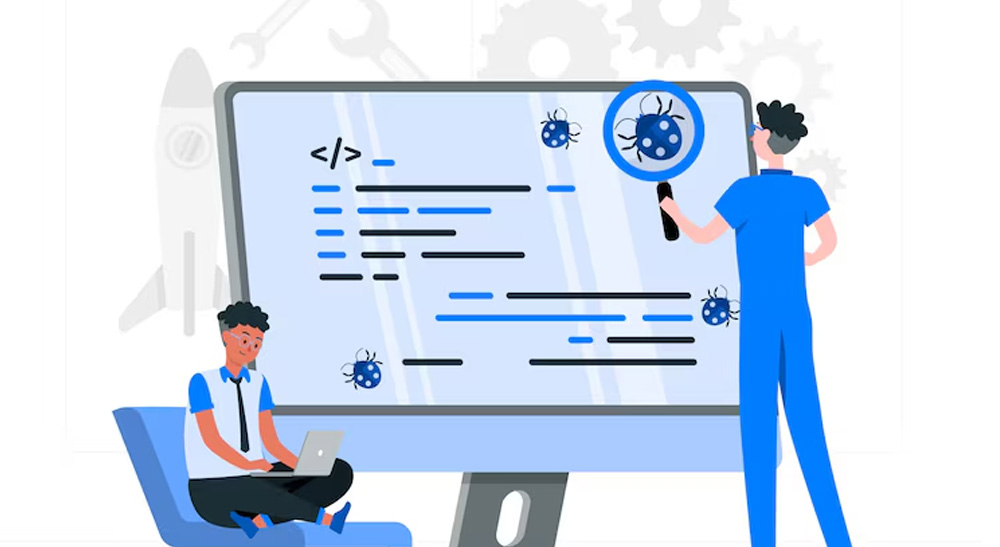
Maintaining a website in 2026 requires a structured, proactive approach that covers security, performance, usability, and content relevance. As digital experiences evolve, businesses must ensure their websites are stable, optimized, and continually improving. A clear website maintenance process helps prevent issues, reduce downtime, and deliver a superior experience for visitors and customers.
This step by step guide explains what a modern website maintenance process looks like, why each step matters, and how to implement best practices that keep your site healthy and aligned with business goals.
What is a Website Maintenance Process
A website maintenance process is a regular set of tasks performed to ensure a website remains functional, secure, fast, and up to date. Maintenance includes technical updates, performance checks, security measures, content refreshes, and ongoing monitoring. In 2026, a good maintenance process also includes performance analytics, mobile usability checks, SEO improvements, and automated monitoring systems.
Why Website Maintenance Matters in 2026
The role of website maintenance has grown because online competition is higher, user expectations are greater, and search engines reward fast, secure websites. Regular maintenance prevents errors, increases uptime, improves search visibility, and enhances user satisfaction. It also reduces long term costs by identifying small issues before they become costly problems.
Step 1: Plan and Document Your Maintenance Strategy
Start with a clear strategy that outlines what maintenance tasks are needed, how often they should happen, who is responsible, and how results will be tracked. A documented process helps ensure consistency and accountability. Important elements include backup schedules, update frequencies, performance monitoring intervals, and security audit cycles.
Step 2: Backups and Disaster Recovery
Backups are the foundation of any website maintenance process. In 2026, backups should be automated, redundant, and tested regularly. A solid disaster recovery plan ensures you can restore your site quickly if data corruption, hacking, or server failure occurs. Maintain full backups, incremental backups, and offsite copies for maximum resilience.
Step 3: Update Software and Plugins
Websites rely on software components including content management systems, themes, plugins, and server environments. Keeping all components up to date is critical for performance and security. This step includes applying version updates, reviewing changelogs for compatibility issues, and testing updates before full deployment.
Step 4: Security Monitoring and Hardening
Security monitoring is a core part of the website maintenance process. Implement firewalls, automated scans, vulnerability patches, and monitoring tools to identify threats. Security hardening involves setting strong user permissions, disabling unused services, enforcing secure password policies, and applying intrusion detection systems. Regular audits help uncover and mitigate risks before they affect users.
Step 5: Performance Monitoring and Optimization
Maintaining speed and performance is essential for user experience and search visibility. Include regular performance checks in your maintenance process to measure loading times, resource usage, and layout stability. Optimization tasks include cleaning caches, compressing media, reviewing performance metrics, and applying tweaks that align with modern performance standards.
Step 6: Content Updates and SEO Improvements
Content freshness is an important part of maintaining a site. Update outdated pages, refresh key landing pages, remove broken links, and add new relevant content. Technical SEO checks such as sitemap reviews, metadata updates, schema checks, and internal linking improvements help boost search performance and relevance.
Step 7: Mobile and Accessibility Testing
Mobile traffic remains a priority in 2026. Your maintenance process should include regular mobile responsiveness testing and accessibility assessments. Ensuring that your site works well on different devices, screen sizes, and assistive technologies is part of delivering an inclusive and competitive user experience.
Step 8: Uptime Monitoring and Support Response
Uptime monitoring tools check whether your website is reachable at all times. Integrate monitoring alerts into your maintenance process so issues can be addressed immediately. In addition, define a support response protocol for handling errors, broken forms, or server outages. This helps minimize downtime and disruption.
Step 9: Analytics and Reporting
Data insights inform future improvements. Regularly review analytics data to understand how visitors interact with your website. Metrics such as bounce rate, time on page, conversion rate, and user flows help you identify areas for enhancement. Reporting should be part of your maintenance schedule.
Best Practices for Modern Website Maintenance
A well defined website maintenance process should be proactive rather than reactive. Use automated tools to handle routine checks, schedule manual reviews for deeper audits, and always document changes and results. A strong maintenance process increases stability, enhances user trust, improves SEO performance, and supports business goals.
Common Mistakes to Avoid
Sites without a structured maintenance process may suffer from outdated software, security vulnerabilities, poor performance, broken links, and technical debt. Avoid neglecting mobile testing, ignoring analytics, delaying backups, and failing to plan for unexpected issues.
Conclusion
A reliable website maintenance process in 2026 ensures your site stays secure, fast, and relevant. Regular backups, updates, security checks, performance optimizations, content refreshes, and monitoring all contribute to a stable and successful online presence. By following a step by step maintenance process, businesses can reduce risks, improve user experience, and support ongoing growth.
Following a structured website maintenance process not only maintains stability but also fosters confidence among users and search engines that your site is a dependable source of information and service.